

Summary
- Whey protein remains highly valued in sports and functional nutrition, but rising demand, higher costs, and tighter supply are creating formulation and sourcing challenges.
- Hybrid whey–plant peptide systems offer a lower-risk alternative to full whey replacement, especially in clear and light protein beverage applications.
- Plant-based protein peptides can help reduce dependency on dairy/whey while supporting solubility, dispersion, clean-label appeal, and protein-forward positioning.
- Formulators should evaluate clarity, flavor masking, amino acid profile, allergen labeling, hydration, stabilization, and processing conditions before scaling a hybrid beverage.
- The future of clear protein is not whey versus plant protein. It is strategic peptide blending that balances performance, cost, supply, and consumer expectations.
Why Whey Extension Is Becoming More Relevant
Whey protein has long been one of the most trusted ingredients in sports nutrition and functional beverages. Consumers recognize it, brands value it, and formulators rely on its solubility, amino acid profile, and processing performance.
But the whey market is under pressure. High-protein demand has moved beyond traditional sports nutrition into everyday beverages, meal replacements, functional foods, and weight management products. However, whey supply has been struggling to keep up, especially for hydrolyzed whey protein, as protein peptides require more product due to the processing requirements.
This creates a challenge for beverage brands: how do you continue developing clear, high-protein products when whey inputs are more expensive, more constrained, or harder to secure?
For many manufacturers, the answer is not complete replacement. It is whey extension.
Whey extension uses plant-based proteins or protein peptides to complement whey in the final formulation. In clear protein beverages, this can help reduce reliance on dairy protein while maintaining the benefits that make whey attractive in the first place.

Why Hybrid Peptide Systems Reduce Formulation Risk
Replacing whey entirely can introduce significant formulation risk. Whey protein peptides are valued because they typically support solubility, dispersion, and processing stability in beverage systems. Not to mention, it is a familiar flavor profile for consumers.
Completely removing whey may require substantial reformulation and sensory work.
A hybrid whey–plant peptide system offers a more ideal path. Whey can continue to support key functional properties, while plant-based protein peptides help reduce total whey usage and diversify the protein base.
This approach can help brands:
- Reduce reliance on dairy-derived protein
- Manage cost exposure during whey price volatility
- Support hybrid protein positioning
- Introduce plant-based appeal without fully reformulating around plant protein
- Maintain a lighter sensory profile in clear or semi-clear beverages
- Build more flexible protein systems for future innovation
For R&D teams, hybrid formulation is often a lower-risk strategy than moving directly from whey to a fully plant-based protein system.
Plant-Based Protein Peptides in Clear Beverage Applications
Protein peptides are especially relevant in clear and light beverage formats because they are designed to solve some of the biggest challenges associated with traditional plant proteins.
Conventional plant proteins can create grittiness, sedimentation, earthy flavor, cloudiness, or high viscosity. Protein peptides are hydrolyzed into smaller chains, which can improve solubility, reduce viscosity, and support smoother dispersion in beverage systems.
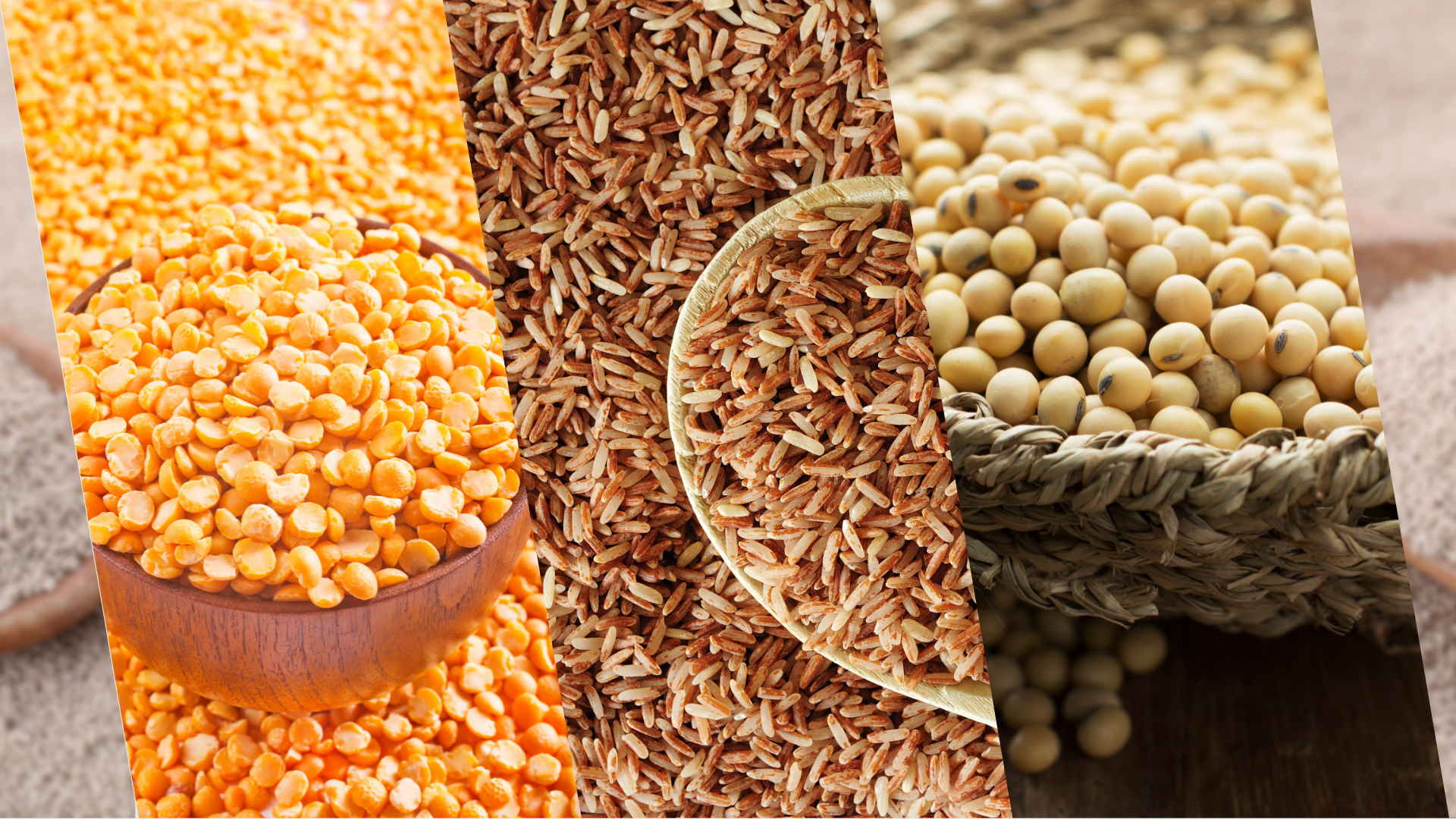
Top Health Ingredients offers plant-based protein peptide solutions from rice, pea, and soy, each with different formulation advantages.
Plant-Based Protein Peptides for Clear Beverage Systems
AdvantaPea™ Peak, AdvantaRice™ Peak, and AdvantaSoy™ Peak each offer distinct advantages for clear and semi-clear protein beverage applications, while sharing key benefits such as improved solubility, lower viscosity, and better dispersion compared with traditional plant proteins.
AdvantaPea™ Peak is particularly well suited for clear protein formats due to its lighter visual profile. It also aligns well with consumer demand for plant-forward, familiar ingredients, making it a great option for brands looking to reduce whey dependency while maintaining clean-label appeal.
AdvantaRice™ Peak supports applications where mild flavor, low viscosity, and allergen-friendly positioning are priorities. However, formulators should consider that rice peptides may introduce bitterness or a more amber hue, depending on the inclusion level and the beverage matrix. These effects can often be managed through flavor system design and formulation adjustments.
AdvantaSoy™ Peak provides strong nutritional quality and formulation flexibility, making it useful in hybrid protein systems where performance and cost efficiency are important. Like rice peptides, soy peptides may contribute some bitterness or color depending on the application, and because soy is an allergen, labeling and positioning must be carefully evaluated.
Together, these plant-based peptide options give formulators multiple tools to extend whey in clear protein beverages while balancing clarity, flavor, nutrition, and supply considerations.
Our in-house R&D team can help you determine which plant protein peptide is the best fit for your formulation.
Key Formulation Considerations for Clear Hybrid Proteins
Hybrid whey–plant peptide beverages require intentional formulation. Partial replacement is often easier than full replacement, but it is not always a simple one-to-one swap.
Clarity and Color
Clear protein beverages rely heavily on visual appeal. Pea peptides may offer better clarity potential, while rice and soy peptides can appear more amber depending on inclusion level. This does not necessarily eliminate them from clear protein systems, but it does mean formulators should test clarity, haze, and color stability over shelf life.
Flavor and Bitterness
Sensory changes are one of the most common challenges in peptide-based beverages. Bitter off-notes can occur with any hydrolyzed proteins, particularly rice and soy peptides. Partial replacement can help minimize these sensory defects compared with full plant protein replacement, but flavor masking, acid balance, sweetener selection, and flavor system design remain important.
Nutrition and Protein Quality
Nutritional equivalence should not be assumed when replacing part of a whey system with plant-based peptides. Plant proteins differ from whey in amino acid profile, leucine content, and overall protein quality.
This does not mean plant peptides are a poor choice. It means formulators need to evaluate the finished protein system, not just the individual ingredient. Protein target, amino acid balance, serving size, and product claims should all be reviewed before launch (this is something our R&D team can support).
Processing and Shelf-Life Stability
Reformulation may require optimization of stabilizers, hydration, homogenization, acidification, and thermal processing. Even when peptides are highly soluble, the finished beverage system still needs to remain stable under real manufacturing and storage conditions.
Brands should evaluate sedimentation, haze development, pH drift, flavor stability, and color changes during shelf-life testing.
Labeling and Positioning
Introducing plant-based protein peptides can change the way a product is positioned. A hybrid whey–plant beverage may appeal to consumers looking for diversified protein sources, reduced dairy dependency, or more sustainable ingredient systems.
Hybrid Peptides Help Brands Balance Performance and Market Demand
The appeal of hybrid peptide systems is that they allow brands to balance several priorities at once.
Whey continues to provide trusted performance and familiarity. Plant-based peptides help reduce reliance on dairy, improve supply flexibility, and support plant-forward positioning. Together, they can create a more resilient protein system for clear and functional beverages.
Clear protein is no longer limited to niche sports nutrition; it is moving into hydration, wellness, weight management, active lifestyle, and everyday functional beverage categories. Demand is continuing to grow, meaning brands need protein systems that can scale.
Hybrid whey–plant peptide systems give formulators a way to keep innovating without depending on one protein source alone.
Top Health Ingredients supports food, beverage, and nutrition brands with functional plant-based protein peptides designed for modern formulation challenges.
Our portfolio of plant-based protein peptides includes AdvantaPea™ Peak, AdvantaRice™ Peak, and AdvantaSoy™ Peak, which can support clear protein beverages, hybrid whey–plant systems, RTD beverages, RTM powders, and next-generation functional nutrition products.
We help brands build protein products that meet today’s expectations for performance, flexibility, and supply reliability with dependable quality, third-party testing, and our OSOTET promise — On Spec, On Time, Every Time.
Connect with our team to request samples, discuss whey-extension strategies, or explore plant-based peptide solutions for your next clear protein innovation.
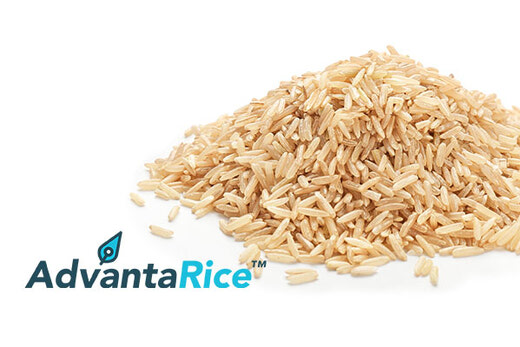
80% organic brown rice protein carefully crafted to blend seamlessly into formulations, with no gritty or chalky texture.
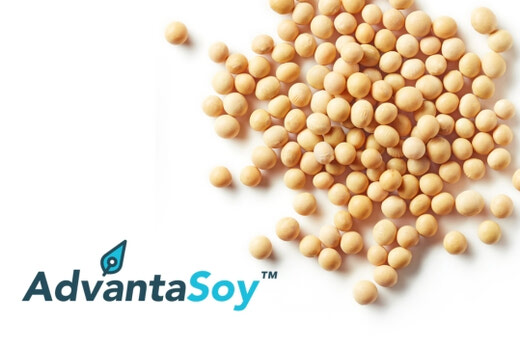
90% soy protein sourced from non-GMO soybeans with a pleasant, neutral flavor, smooth texture & dynamic functionality
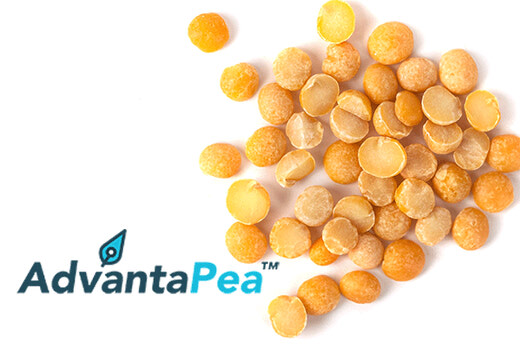
80-85% yellow pea protein that features a complete amino acid profile and a neutral, easily-masked flavor.