

As whey becomes more expensive and harder to source, hybrid plant–whey systems are emerging as a way for brands to protect margins, maintain protein claims, and keep innovating.
Summary
- Whey protein remains a trusted ingredient in sports and functional nutrition, but rising demand, higher costs, and tighter supply are making protein sourcing more complex for manufacturers.
- Hybrid plant–whey systems give brands a strategy to extend whey, improve cost control, and maintain high-protein positioning across beverages, powders, bars, snacks, meal replacements, and functional foods.
- Clear protein is a high-growth example of this shift, but whey extension is relevant across traditional formats too, including RTDs, RTM powders, protein bars, and baked nutrition products.
- GLP-1 trends are adding pressure to the protein market by increasing demand for nutrient-dense, high-protein foods while potentially influencing dairy consumption patterns tied to whey availability.
- Plant proteins and protein peptides can help brands build more flexible, resilient protein systems without abandoning whey, allowing formulators to balance performance, cost, supply security, and consumer expectations.
Whey Protein Supply Constraints and Rising Demand
Whey protein has long been one of the most trusted ingredients in performance nutrition. Consumers recognize it, brands rely on it, and formulators value its protein quality, digestibility, and functionality.
But the whey market is changing.
High-protein demand has expanded far beyond traditional sports nutrition. Today, protein is showing up in ready-to-drink beverages, ready-to-mix powders, snack bars, meal replacements, weight management products, functional foods, and everyday wellness formats. GLP-1 trends are also contributing to demand, as consumers using these medications are often encouraged to prioritize protein intake to help maintain lean mass while eating smaller portions.
At the same time, whey supply is not as flexible as demand. Whey is produced through cheesemaking, then further processed into ingredients such as whey protein concentrate, whey protein isolate, and whey hydrolysates.
Supply cannot always scale quickly enough when demand for whey ingredients rises, which creates a real challenge for brands. Brands must figure out how to keep innovating in high-protein products when whey is more expensive, more constrained, and harder to source.
For many manufacturers, the answer is not to move away from whey entirely. It is to use whey more strategically.
What Is Whey Extension?
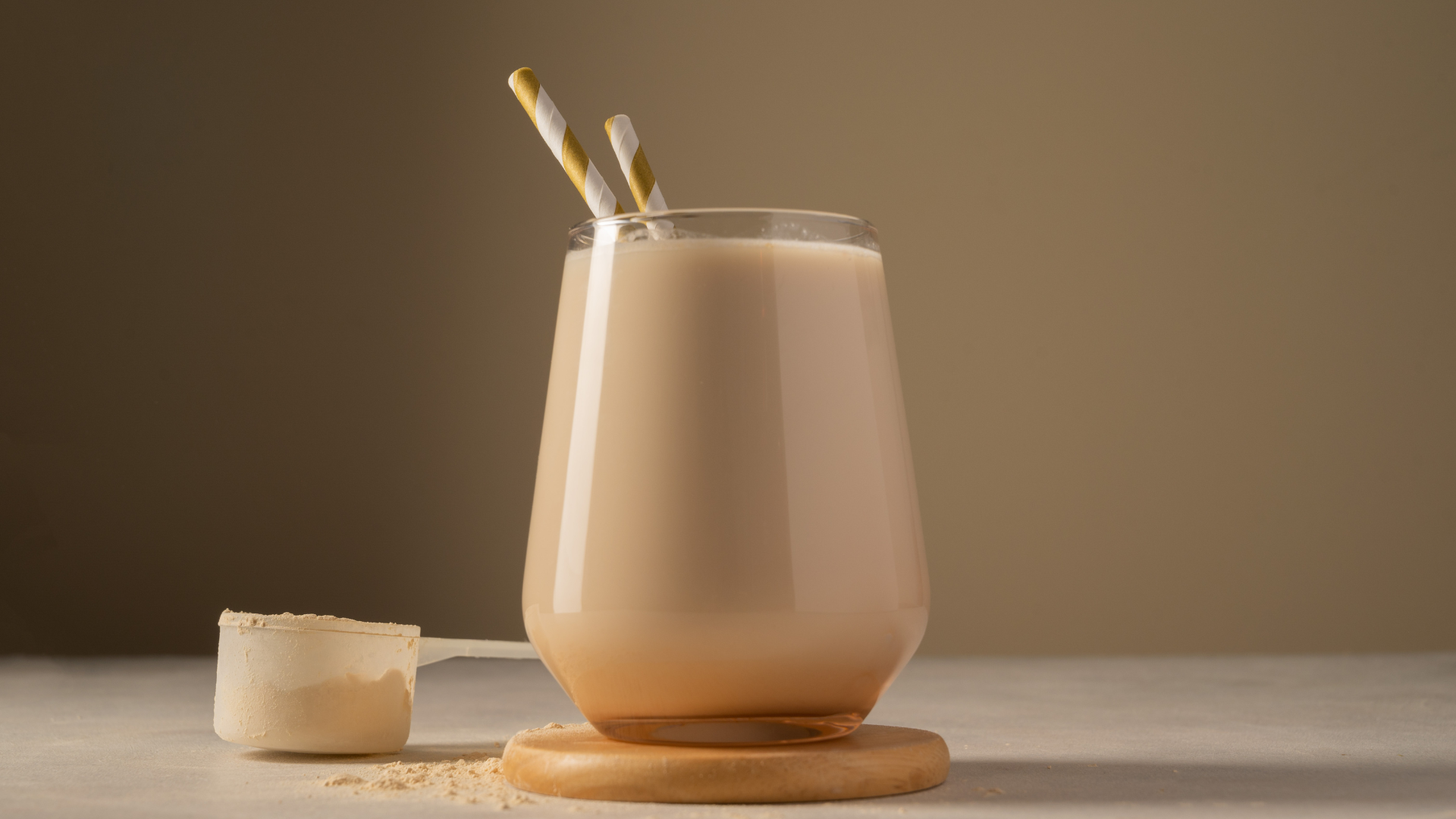
Whey extension is the practice of partially replacing or complementing whey with another protein source in a finished formulation. The goal is not always to remove whey. Instead, the goal is to use whey more efficiently while improving cost stability, sourcing flexibility, and formulation resilience.
A well-designed hybrid protein system can help brands:
- Reduce total whey usage without removing whey from the formula
- Manage cost pressure from whey protein isolate or whey peptides
- Improve supply chain flexibility
- Maintain high-protein positioning
- Add plant-forward and clean-label appeal
- Support innovation across multiple product formats
This strategy is especially relevant in a market where consumers still value whey, but manufacturers need more flexibility.
Hybrid systems are not a compromise. They are a smarter way to create protein products in a volatile supply environment.
Whey Extension Goes Beyond Clear Protein
Clear protein is one of the most talked about examples of whey innovation right now, but whey extension is not limited to clear beverages. Plant proteins and protein peptides can also help reduce whey dependency in traditional sports nutrition and functional food formats where clarity is not the primary goal.
Plant proteins can help maintain protein content while supporting cost control and supply flexibility in creamy RTDs, RTM powders, meal replacements, and high-protein shakes. Formulators often have more flexibility to use plant proteins alongside whey without compromising the final sensory experience because these formats already have more body, opacity, and flavor complexity.
In bars, snacks, and baked applications, hybrid whey–plant systems can also support texture, binding, chew, and nutritional positioning.
This broader approach makes whey extension relevant across a full product portfolio, including:
- Clear protein beverages
- Creamy RTDs and shakes
- RTM protein powders
- Meal replacement systems
- High-protein bars
- Functional snacks
- Bakery and baked nutrition products
- Everyday wellness foods
For manufacturers facing whey cost pressure or supply uncertainty, the opportunity is not simply to develop a clear protein alternative. It is to build a more resilient protein platform across multiple categories.

The GLP-1 Effect on Protein and Whey Supply
GLP-1 trends are affecting the protein market in two ways.
First, they are increasing demand for high-protein products. Consumers using GLP-1 medications often look for smaller, more nutrient-dense foods and beverages that help them meet protein needs without large portions.
Second, GLP-1 eating patterns may be changing some dairy purchasing habits. If consumers reduce intake of calorie-dense foods, including certain cheese products, that can indirectly affect whey availability because whey is tied to cheese production.
This does not mean GLP-1 trends are the only reason whey supply is tight. Processing capacity, filtration infrastructure, dairy production, long-term contracts, and global protein demand all play major roles.
But together, these forces are creating a clear message for manufacturers: protein formulation needs more flexibility.
Hybrid Protein Systems Help Solve Real Manufacturing Pain Points
Whey shortages are impacting product timelines, margins, innovation pipelines, and ingredient security.
Hybrid whey–plant systems can help address four common pain points.
Supply Volatility
Plant proteins and protein peptides provide another protein pathway, helping brands reduce dependence on a single constrained ingredient source.
Cost Pressure
Whey protein isolate and hydrolyzed whey can represent a major portion of formula cost, especially in high-protein beverages. Extending whey with plant proteins or peptides can help protect margins while maintaining a protein-forward product.
Product Format Flexibility
Different formats require different protein systems. Clear beverages may benefit from hydrolyzed peptides, while bars, powders, and creamy RTDs may allow more flexibility with plant protein isolates.
Consumer Expectations
Consumers want protein, but they also want better taste, clean labels, and more sustainable ingredient stories. Hybrid systems allow brands to balance familiar whey protein with plant-based innovation.

Partner with Top Health Ingredients for Hybrid Protein Solutions
Top Health Ingredients supports food, beverage, and nutrition brands with functional plant-based protein systems designed for today's formulation challenges.
Our portfolio includes a variety of plant proteins and protein peptides that can support clear protein beverages, creamy RTDs, RTM powders, hybrid whey–plant systems, bars, snacks, meal replacements, and next-generation functional nutrition products.
We also offer complementary ingredients such as AdvantaDextrin™ resistant dextrin for gut-health-focused beverages and multifunctional formulations.
With dependable quality, third-party testing, and our OSOTET promise (On Spec, On Time, Every Time), we help brands develop the products consumers are asking for.
Connect with our team to request samples, discuss whey-extension strategies, or explore plant-protein solutions for your next functional nutrition innovation.